Current Working Groups
Working groups have a long history in the Humanities Institute. Over the past two decades, they have provided a forum within which emergent and potentially exciting interdisciplinary research might find its initial hearing. This listing of current working groups does much of the same work to foster collaborative engagement with people across the university, addressing pressing questions, concerns, and themes in the Humanities today.
Ethnic Studies Graduate Student Working Group
The Ethnic Studies Graduate Student Working Group is organized with the goal of bringing together Ohio State graduate students across disciplines and departments interested in research, writing, education, and outreach in the field of Ethnic Studies. Rather than functioning as a Department, the Center for Ethnic Studies is a collaborative center with connections across the humanities. This working group hopes to highlight and strengthen these connections. The group’s organizers hope to highlight for CES-affiliated (and other) graduate students the diverse body of scholars and broad range of research that exists in Ethnic
Studies spaces and to emphasize ways that their work can gain from knowledge and methods originating in the field. The working group will meet this goal by providing graduate students the opportunity to collaborate on research and writing projects in the form of writing workshops each semester. The ultimate aim of these workshops will be to facilitate the process for students to present work at Ethnic Studies conferences or publish in Ethnic Studies journals.
The Ethnic Studies Graduate Student Working Group plans to meet three times per academic year and will host networking and guest speaker events in addition to writing workshops. To learn more about the group, please contact Mia Kivel.
Imagined Futures
Imagined Futures aims to build a culture of support for career development in which graduate students understand how their transferable skills can serve communities and employers, their advisors support their ambitions through informed planning, and their graduate programs enable their growth and celebrate their achievements.
Working in partnership with the Global Arts+Humanities Cross-Disciplinary Research Exchange, this Humanities Institute Working Group is convening faculty, staff, students, and administrators to work toward these goals.
We imagine a future for graduate education in which:
- • Programs, mentors, and students are connected with alumni and understand how skills developed in graduate school are translating into a variety of professions
- • Opportunities exist within graduate courses and degree programs for the development of translatable/ transferable skills.
- • Certificates or cross-disciplinary experiences that fit into or alongside graduate programs support professional learning in the arts, humanities, and social sciences.
- • Some students and faculty use community-engaged research, teaching, internships, or service to enhance career development and connect with partners on and off campus.
- • Outcomes data are available, transparently reported, and usable for graduate student recruitment.
- • Mentors feel confident in supporting students’ career choices.
Medical Humanities
The Medical Humanities Working Group is an intellectual hub that supports students and faculty in the Humanities and Social Sciences in their efforts to account for how “illness, suffering, intervention and cure” are entangled with corporeal, social, human, and cultural factors and actors (Fitzgerald & Callard, 2016, p. 35). More specifically, the main goals of the group are:
- To build a greater sense of community among those involved in this interdisciplinary enterprise.
- To provide support for the teaching, research and creative expression of its members.
- To explore the application of research in the field to the practical situation of treatment and care.
Unite to Read Project
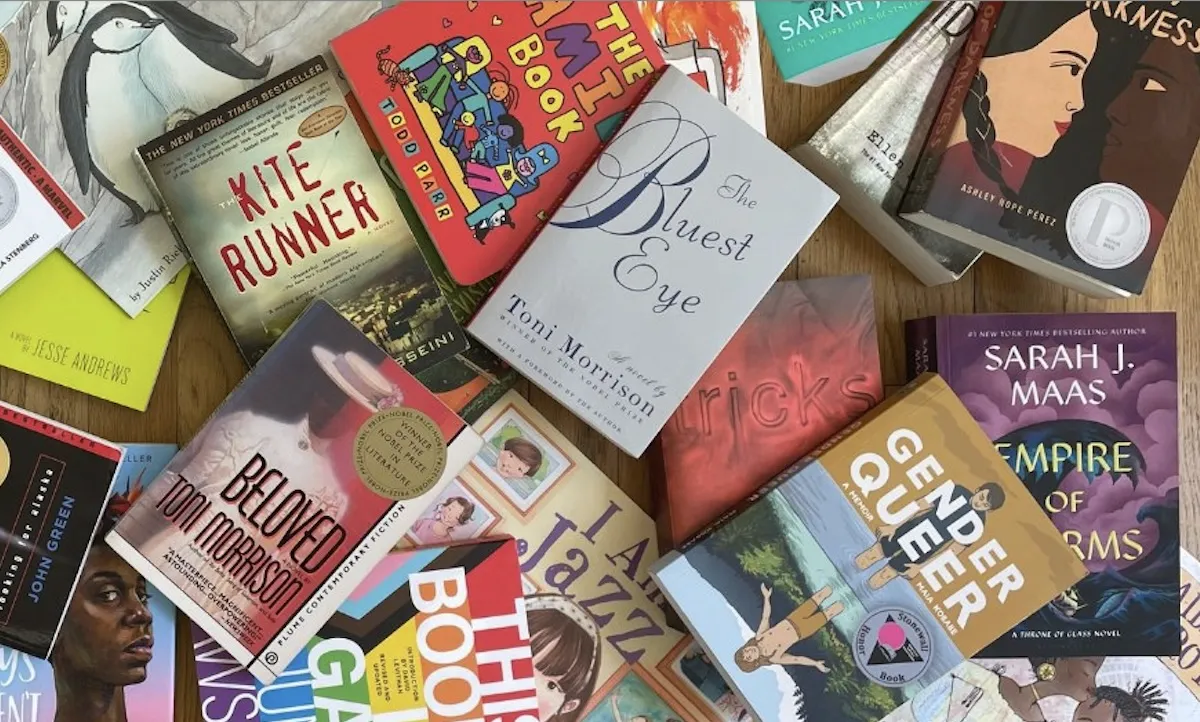
The Unite to Read Project (URP) is a three-year initiative at The Ohio State University funded by a grant from the Mellon Foundation. URP seeks to combat book bans, engage the public in defending and reading banned books, and unite diverse stakeholders in amplifying access to literature and ideas.
Co-hosted and cross-promoted virtual events in two programming streams support connections and resource sharing between OSU and our many URP organizations. “Beat the Ban” public programming connects advocates to success stories, strategies, and pro-reader opportunities, including workshops to use and create materials on banned books. “Beyond the Ban” programming highlights the craft and expertise of banned or targeted authors and illustrators (not just their experiences with censorship), restoring recognition of the vital contributions these creators make to American culture.
These events raise awareness, awaken new advocates, and lay the foundation for engagement in a multi-week virtual URP Institute. Institute participants receive stipends and may apply to receive funding for proposed advocacy projects related to URP goals. Support continues through monthly follow-up meetings, project implementation guidance, and opportunities to serve as leaders and facilitators in URP virtual events. A final three-day URP Invitational Summit brings together advocates from the URP Institute cohort and project to work with representatives from partner organizations on future project possibilities.
We seek to anchor all URP efforts in a culture of care and creativity through practices that focus on supporting sustainable, joyful advocacy.
At OSU, URP includes the regular offering of CS 4021: Banned Books and the Cost of Censorship, which offers students the option of designing funded public-facing projects.
Ashley Hope Pérez (Associate Professor of Comparative Studies) is directing this project in partnership with Pat Enciso (Professor of Teaching and Learning) and Barry Shank (Professor of Comparative Studies). Our partners and collaborators include:
Banner image for Unite to Read project provided by PEN America.